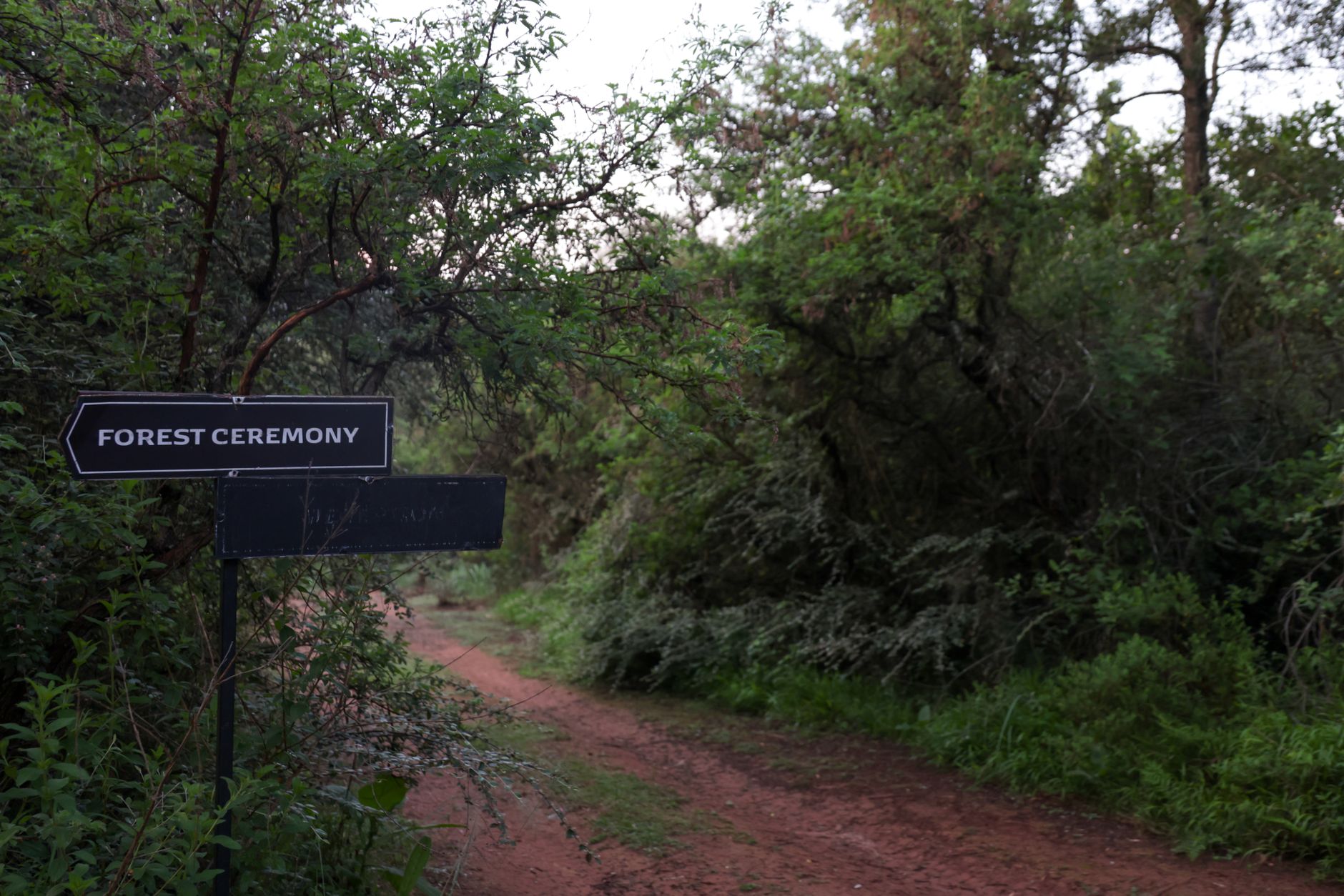
Searching for Nairobi National Park walking trails can give you a wrong impression. Many articles list Ivory Burning Site and Leopard Cliff as hikes. In this park, those names are mostly vehicle stops with marked picnic or viewing areas, not open routes. The honest version of Nairobi National Park walking trails is compact: one real riverside trail at Hippo Pool, a few safe stop points, and no walking across the savannah.
Use this checklist to plan where you can safely stretch your legs and how to turn a short walk into part of a proper game drive.
1. Are There Walking Trails in Nairobi National Park?
Nairobi National Park does not offer unrestricted walking across its open savannah. The main on-foot experience inside the park is the short, controlled Hippo Pool nature trail; most other named sites, including Ivory Burning Site and Leopard Cliff, are vehicle stops where visitors may leave the vehicle only in marked areas.
So keep expectations simple. Your safari vehicle gives you the best wildlife views. A walking stop is an add-on, not the main reason to visit.
2. What Is the Hippo Pool Nature Trail Like?
Hippo Pool is a brief riverside trail beside the Mbagathi River, beginning near the Hippo Pools picnic area and following a controlled route toward the bridge. Allow roughly 20 to 30 minutes, or longer for interpretation and birdwatching. Riverine wildlife may include hippos, crocodiles, waterbuck, monkeys and many birds, so remain on the route and away from the water.
The path is not built for long hiking. It gives you a look at riverine habitat, then turns back toward the parking area. Stay on the route and keep your voice low. Hippos in the water can be closer than they look, and a crocodile may be resting on a bank.
3. Which Viewpoints Actually Allow Visitors to Walk?
Ivory Burning Site, Leopard Cliff, Kingfisher picnic area and Mokoiyet Dam are primarily designated viewing or picnic stops, not hiking trails. Visitors can stretch their legs only within controlled, marked areas and for a short time. Walking into surrounding grassland, woodland or river habitat is unsafe and prohibited, because lions, buffalo and other wildlife may be nearby.
At each spot, look for the approved viewing point. Stay with your guide near the vehicle. If you feel the urge to move into the grassland for a photo, remember that this is not a zoo and predators do not announce themselves.
4. What Is Nairobi Safari Walk and Why Is It Separate?
Nairobi Safari Walk is a separate, fenced attraction near the park entrance rather than an open trail inside Nairobi National Park. Its elevated boardwalk presents recreated forest, wetland and savannah habitats and is suitable for a longer family-friendly walk. The Animal Orphanage and conservation education facilities nearby add structured learning but do not replace a wild walking safari.
You cannot walk from Nairobi Safari Walk into the national park. The entry complex and the boardwalk sit outside the grazing area, so treat it as an add-on, not as a continuation of a Hippo Pool walk. For most adults, a morning game drive is the higher-value way to spend the day.
5. What Safety Rules Apply to Nairobi National Park Walking Trails?
Walk only where Kenya Wildlife Service staff or the designated facility permits it, and stay on marked paths. Keep well back from hippos and crocodiles, and follow ranger instructions immediately. Never cross open savannah on foot, approach animals for photographs, feed wildlife, or assume a picnic site is safe beyond its marked boundary. Game viewing should remain vehicle-based.
These rules matter every month of the year. Nairobi National Park looks small on a map, but it contains lions, leopards, buffalo and rhinos. A short walk can turn serious if someone leaves the marked area.
Review Lake Nakuru’s park rules before you plan a trip that includes other parks, and keep Kenya safari emergency contacts on your phone. You will likely never need them. They are still faster than searching for help after a problem starts.
6. When Should You Walk and What Should You Bring?
Morning or late afternoon generally offers cooler conditions and better wildlife activity, although the exact walking schedule depends on the site and current park rules. Wear closed, comfortable shoes and neutral clothing, carry water, sunscreen and binoculars, and keep equipment compact. Confirm opening hours, guide availability and access arrangements before departure because designated walks can change.
For many visitors the best setup is a gate entry soon after opening, two or three hours in the vehicle, then a Hippo Pool pause before temperatures climb. A small daypack holds what you need. Pack light and check a Kenya safari packing list to avoid carrying unnecessary gear.
7. How Do You Add a Walking Stop to Your Nairobi Safari?
Treat Hippo Pool as a short stop within a Nairobi National Park game-drive circuit rather than as a standalone hike. Begin with a vehicle safari for the open plains, pause at the designated riverside area when conditions allow, then visit Nairobi Safari Walk or another nearby attraction if more walking and interpretation are wanted. This plan preserves both wildlife coverage and safety.
Ask your operator two questions before booking. Does the route pass Hippo Pool? Will a ranger or guide walk with you? If you are booking through a general safari company, review what to check in a certified safari guide to confirm the driver is experienced and licensed.
More safari planning resources
- Kenya national parks map from SafariPure
- Kenya wildlife tours from Trunktrails Safaris
- Kenya national parks map from Valley Safaris
- Big Five safari collection on FindMySafari
The next concrete step is simple. Build a wish list around a half-day game drive, a Hippo Pool pause and optional time at Nairobi Safari Walk. Then browse packages from FindMySafari, Valley Safaris, or Trunktrails Safaris to compare safari operators before you book.